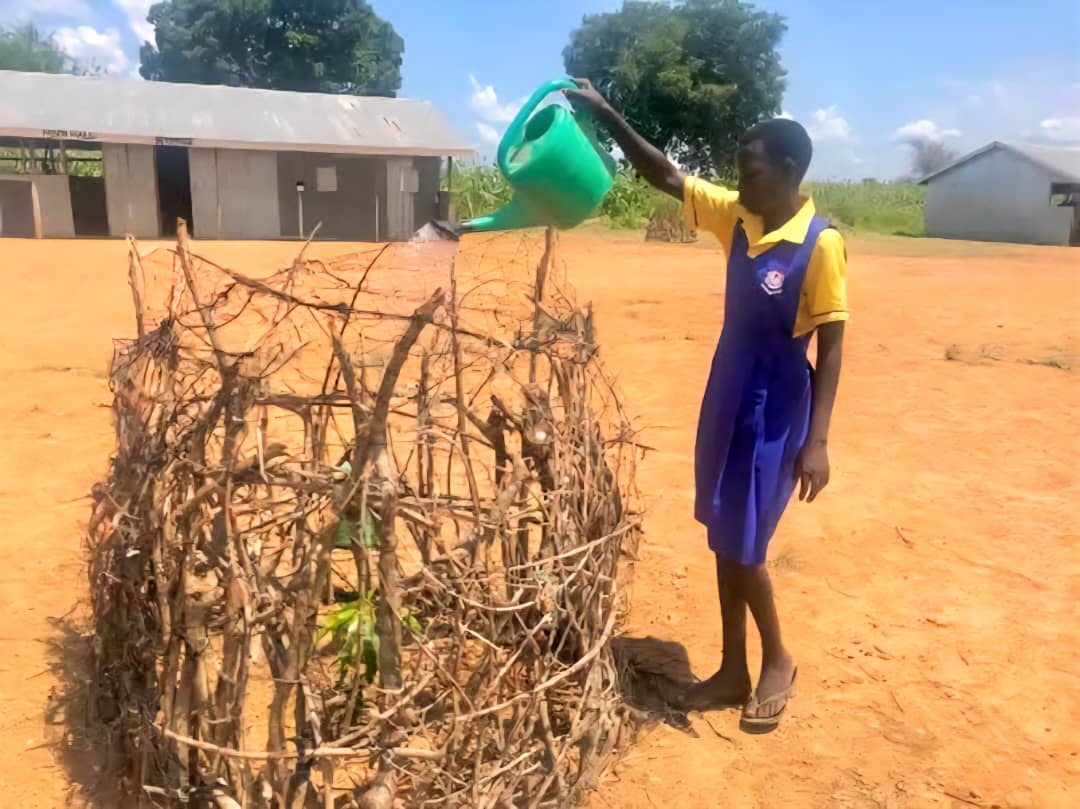

In parts of Awerial County in Lakes State, the learning environment for many children has long been shaped by harsh climatic conditions. For years, pupils in several local schools sat on bare, sun-scorched earth, learning in open spaces with no protection from the relentless heat. Their determination to pursue an education was strong, yet every lesson became a struggle against high temperatures and the absence of shade due to insufficient climate-resilient classrooms.
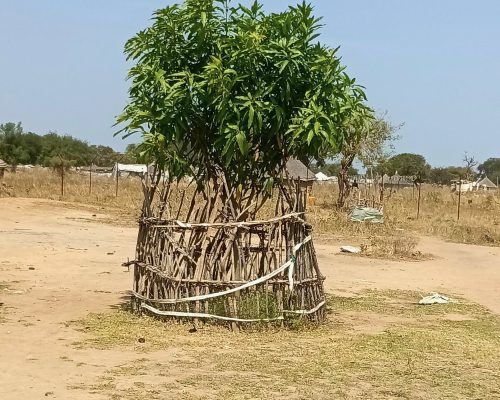
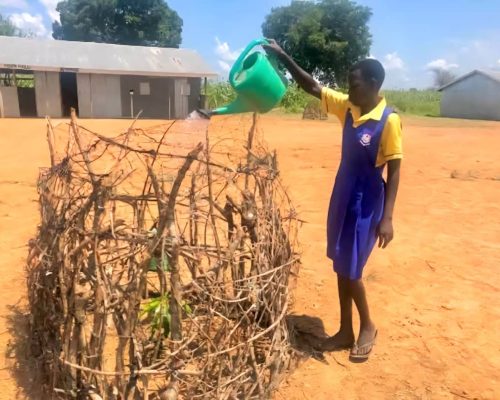
A turning point came when a seed of hope was planted. Through the Local Response Pooled Fund (LRPF) project—funded by Save the Children—HESS introduced a climate-focused intervention in 19 schools across Awerial County. The initiative sought to address climate vulnerabilities affecting learners by introducing a simple but transformative solution: planting fruit and shade trees within school compounds. HESS procured the seedlings with support from Save the Children, and the schools took the lead in planting and nurturing them.
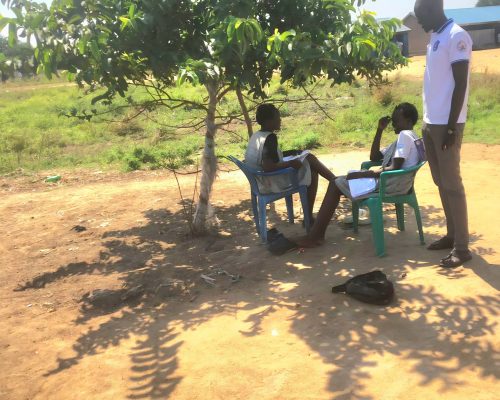
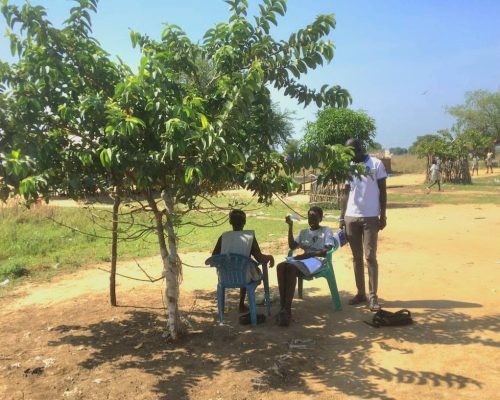
Today, many of the seedlings that were once small and fragile are now thriving, spreading their branches and offering cool, life-changing shade to learners, particularly at Gloria Girls School. The impact is visible and immediate. These trees have become more than just sources of shade; they are producing fruit, creating natural outdoor learning spaces, and enabling children to concentrate and perform better without the overwhelming distraction of scorching heat.
The transformation across the 19 supported schools proves that addressing global challenges such as climate change does not always begin with large, complex interventions. Sometimes, it starts with something as simple and fundamental as planting a tree in a schoolyard—turning a space of learning into a space of growth, protection, and resilience.
HESS extends sincere appreciation to Save the Children South Sudan for their generous support in making the LRPF project a success. We also acknowledge the leadership of the Local Response Pooled Fund for their vision and continued commitment. Their guidance has demonstrated the power of locally led humanitarian action in creating sustainable and meaningful change.