A Seat at the Table: Promoting Localized Gender Accountability in Humanitarian Action
A two-day workshop brought 20 leaders from Women-Led Organizations together to strengthen their participation in the decisions that shape humanitarian action in South Sudan. Every humanitarian assessment influences which needs are recognized, whose safety is prioritized and where resources are directed. But when Women-Led Organizations (WLOs) are missing from assessment and planning processes, an important […]
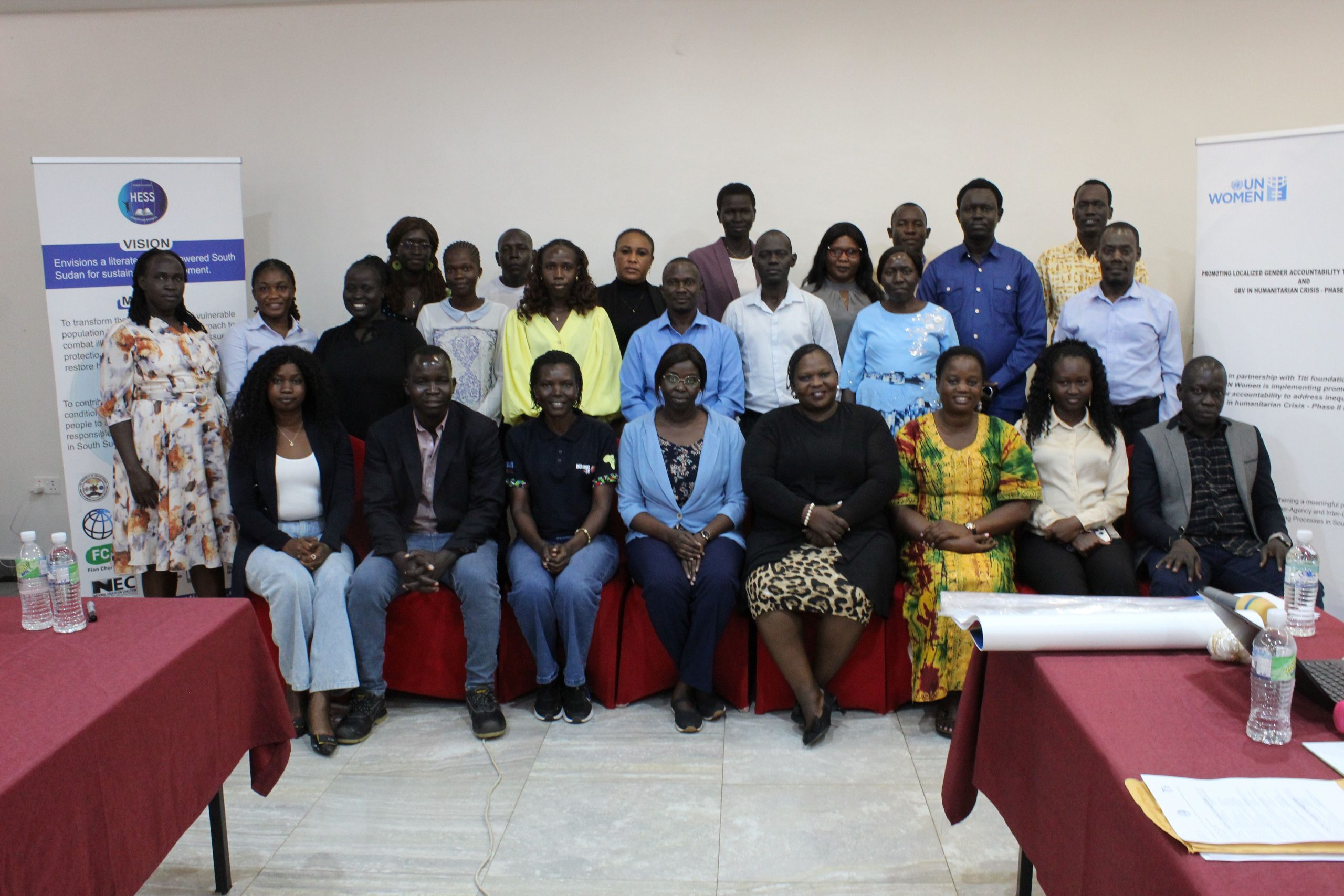
A two-day workshop brought 20 leaders from Women-Led Organizations together to strengthen their participation in the decisions that shape humanitarian action in South Sudan. Every humanitarian assessment influences which needs are recognized, whose safety is prioritized and where resources are directed. But when Women-Led Organizations (WLOs) are missing from assessment and planning processes, an important part of the picture can also be missing—the lived experiences and protection concerns of women and girls.This challenge brought 20 WLO leaders together from 10–11 August 2026 for a workshop organized by HelpEducation South Sudan (HESS). Supported with funding from UN Women and German Humanitarian Assistance, the workshop was delivered as part of a consortium led by Titi Foundation.The purpose was clear: to help Women-Led Organizations understand, access and participate more meaningfully in inter-agency and inter-cluster humanitarian assessment and planning processes.
Different roles, one shared purpose
The participants came to the workshop with diverse experience. They included executive directors, heads of programmes, programme coordinators and project officers working in child protection, gender and inclusion, food security and livelihoods, and education.Some were responsible for leading entire organizations. Others worked directly on programmes and projects. What connected them was a shared commitment to ensuring that the realities facing women, girls and their communities are reflected in humanitarian decisions.Women-Led Organizations possess valuable local knowledge. They understand the concerns communities raise, the barriers women and girls face and the protection issues that may remain invisible in a general assessment. Yet many WLOs are still underrepresented in the coordination structures where priorities are discussed and response plans are shaped.Restricted access to coordination platforms, limited institutional recognition, technical-capacity gaps and logistical constraints can all stand in the way. The result is not simply lower attendance at meetings. It can mean that humanitarian assessments overlook critical needs, including risks related to gender-based violence.
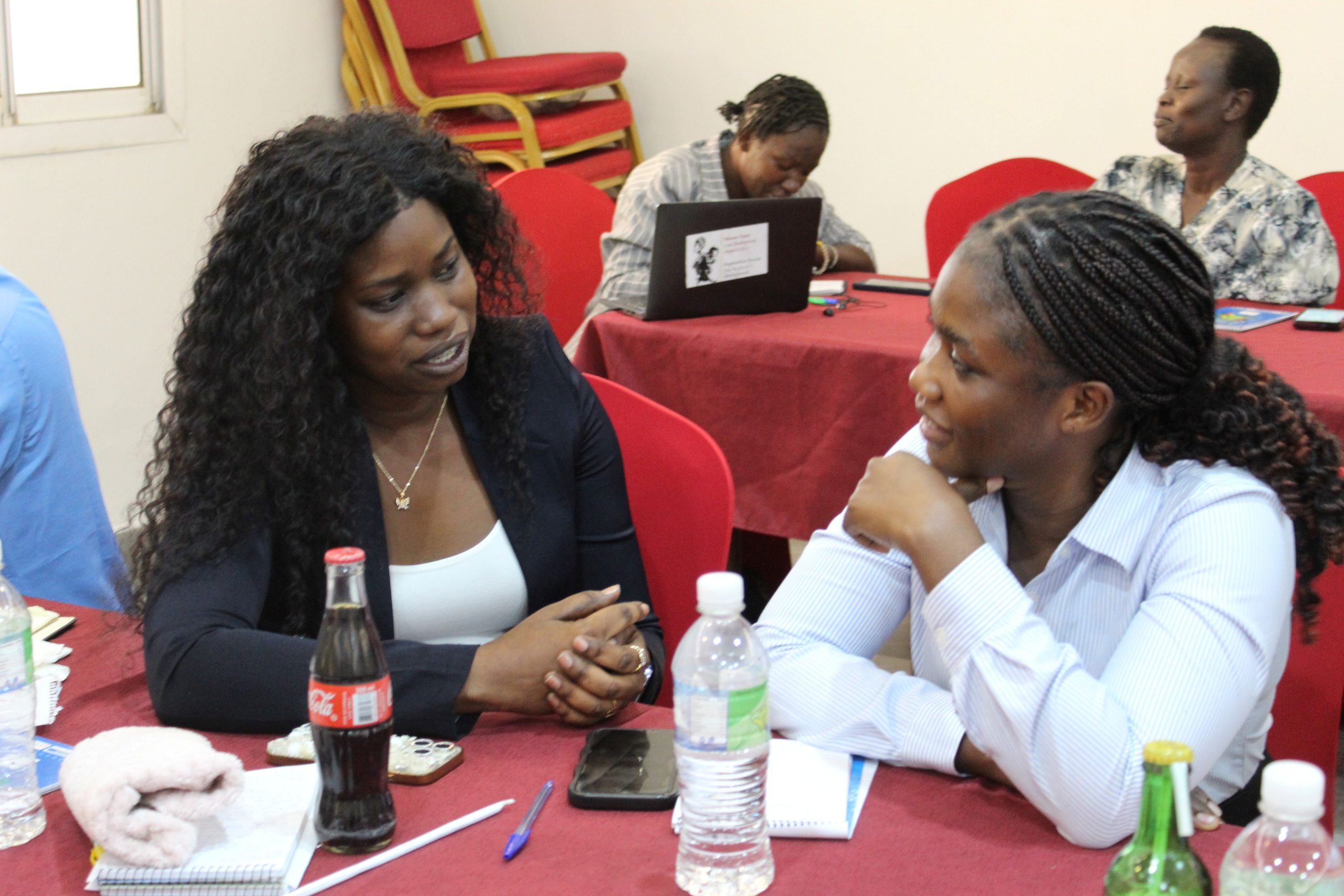
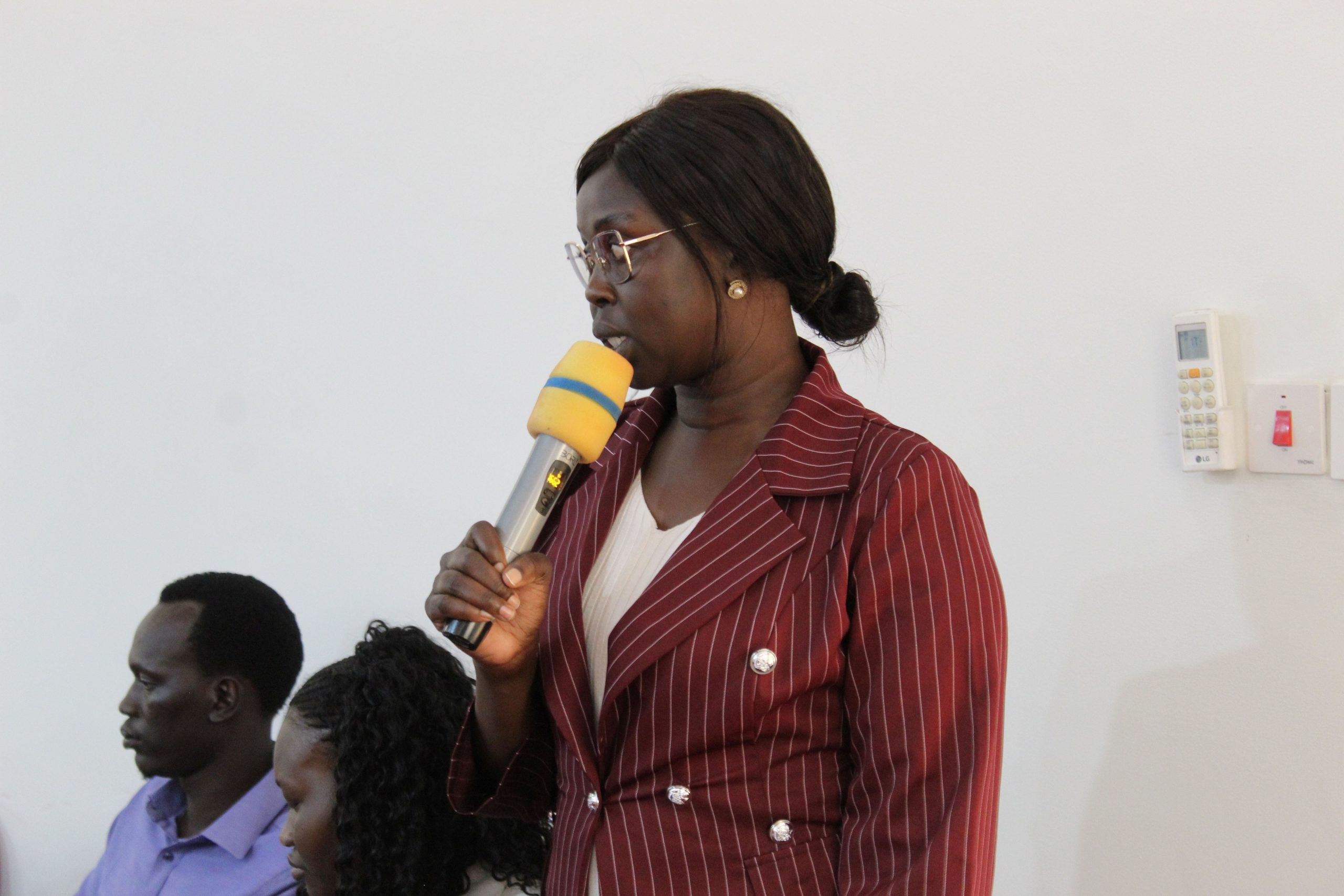
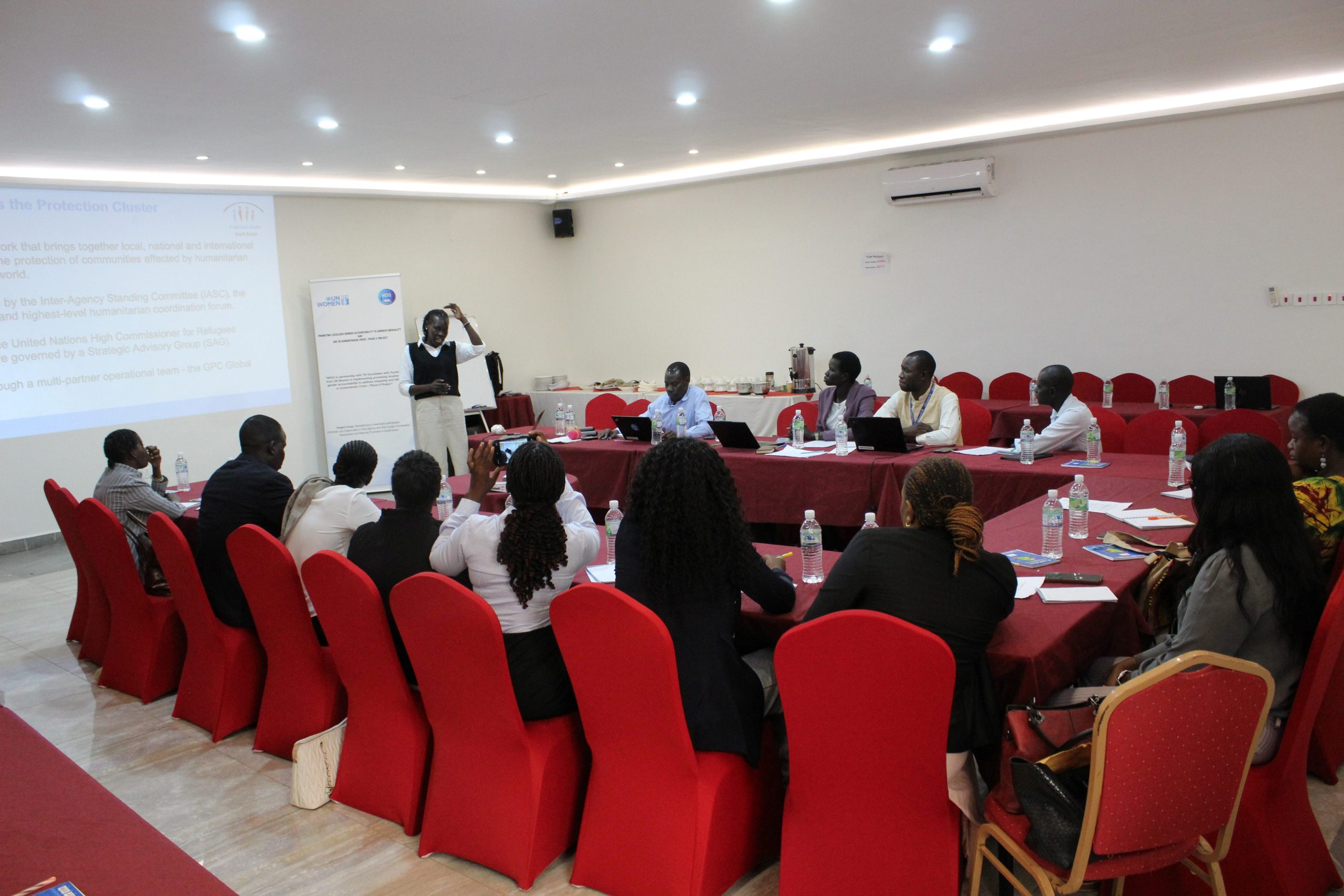
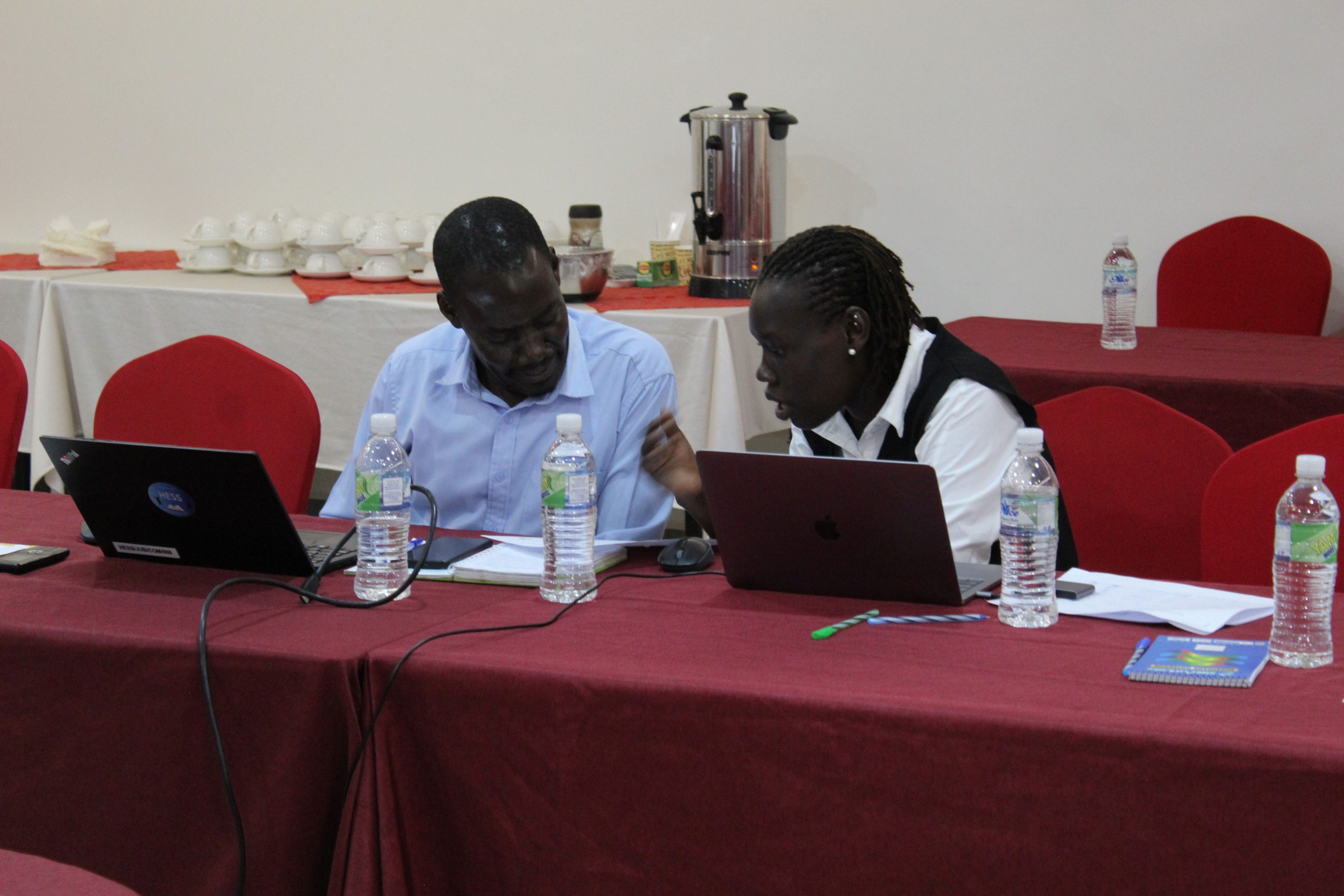
Opening the door to humanitarian coordination
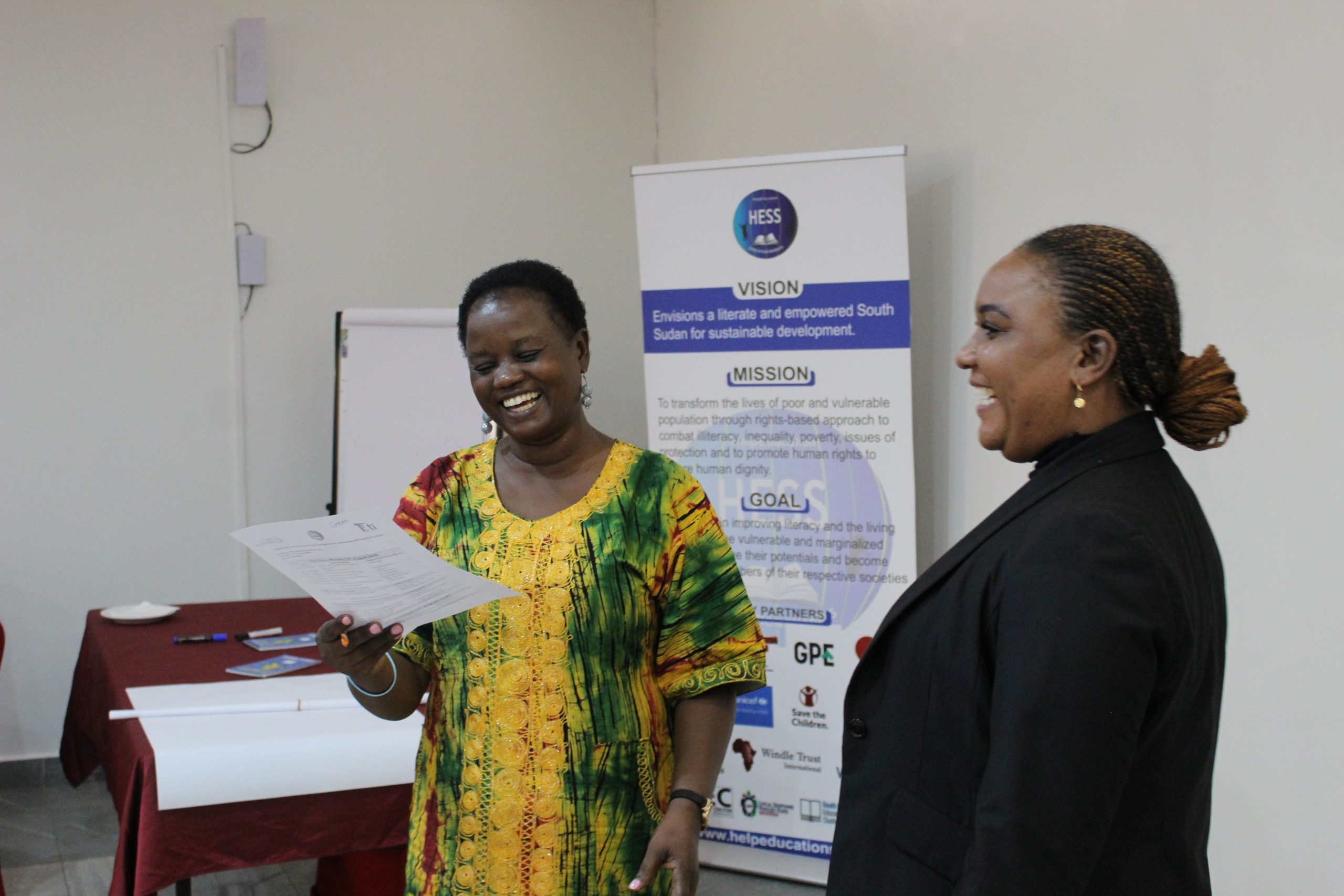
For two days, cluster representatives guided participants through the structures and processes that can sometimes feel difficult to enter from the outside. Sessions explored cluster functions, mandates and operations, as well as membership procedures, registration processes and participation requirements.The workshop turned these systems into practical information that WLO leaders could take back to their organizations. Participants gained a clearer understanding of where their expertise fits, how to engage with clusters and how to contribute to assessment and planning cycles.This knowledge matters. When Women-Led Organizations participate from the beginning, they can help identify risks that might otherwise be missed, bring community perspectives into planning discussions and contribute to responses that are more accountable to women and girls.The workshop also created space for WLO leaders to learn from one another. Across their different sectors and responsibilities, participants were able to recognize shared challenges, exchange experiences and build connections that can support future collaboration.
Inclusion must create real opportunities
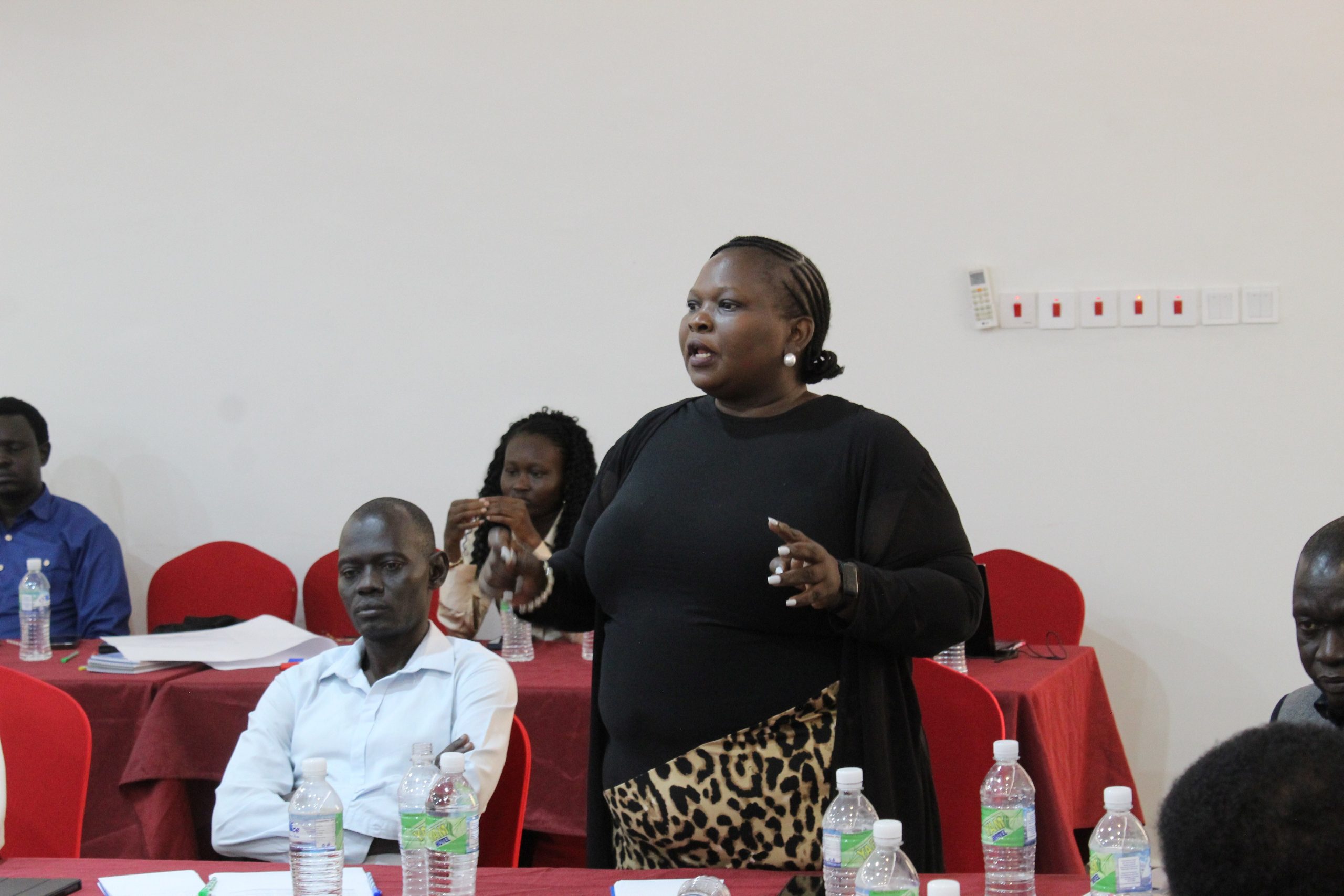
For participant Alinda Brenda, the value of the workshop was practical. Representing a Women-Led Organization, she expressed appreciation to HESS, UN Women and Titi Foundation for bringing WLOs together to learn about the opportunities and processes for engaging with humanitarian clusters.She particularly welcomed the guidance on cluster registration and the emphasis placed on including women-led actors in humanitarian coordination structures. In her reflection, she stressed that meaningful inclusion can create opportunities for WLOs to access funding, establish partnerships and contribute more effectively to humanitarian response activities.Her message captured an important distinction: inclusion is more than receiving an invitation or sitting in a meeting. It means having the opportunity to contribute knowledge, influence priorities and participate in decisions that affect the communities an organization serves.
When the cost of transport becomes a barrier to participation
In her closing remarks, Madam Lucy Achiro, Chairperson of Women-Led Organizations in South Sudan, thanked participants and partners for the time, ideas and experience they contributed during the workshop.She also drew attention to a simple but significant reality. For some Women-Led Organizations, even the cost of transport to a cluster meeting can make regular participation difficult.This example brought the wider discussion about structural barriers down to everyday experience. An organization may have valuable expertise and a strong connection to affected communities, yet still struggle to reach the room where decisions are made.Making coordination genuinely inclusive will therefore require more than sharing information about registration. It will also require humanitarian partners, donors and coordination bodies to consider the practical and institutional support that local organizations need to participate consistently and meaningfully.
Stronger responses begin with local voices
The workshop marked an important step toward a humanitarian system in which Women-Led Organizations are recognized not only as participants, but as partners whose knowledge can improve assessment, planning and response.HESS remains committed to working alongside WLOs, humanitarian clusters, donors and partner organizations to strengthen local leadership and promote gender-responsive humanitarian action in South Sudan.When women-led actors have a meaningful seat at the table, assessments become more representative, plans become more responsive and humanitarian assistance is better able to address the needs of women, girls and their communities.The two-day workshop may have ended, but the work continues: removing barriers, building relationships and ensuring that local women leaders can help shape the decisions that affect the people they serve.
Locally led partnership keeps education relevant, accountable and close to the communities it serves.